Med info
Myopia (Nearsightedness) and Everything You Need to Know About It

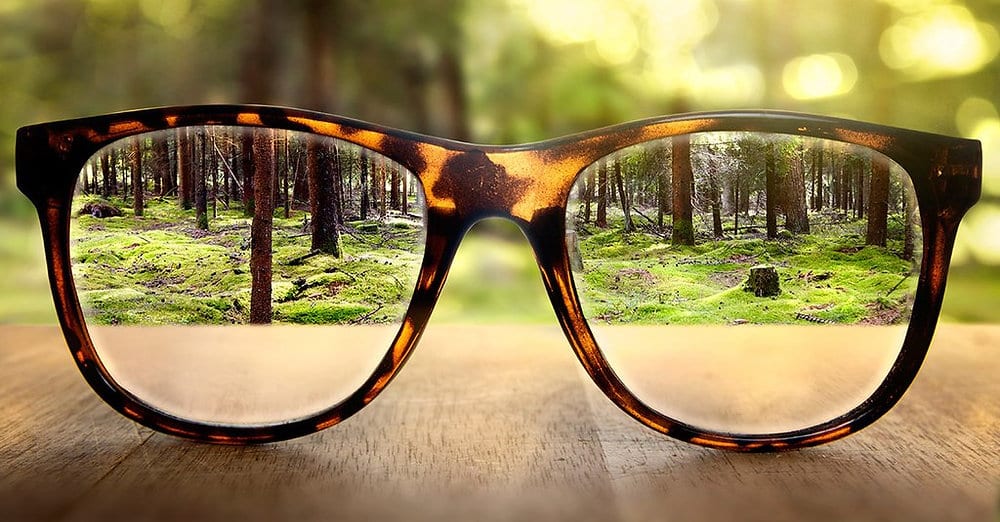
Myopia, medically known as nearsightedness, is the most common cause of reduced vision, especially in younger adults. It means you can see clearly up close, but distant objects appear blurry.
It is the opposite of hyperopia (farsightedness). The ability to focus can start to decline in childhood and may continue to worsen through the teenage years, usually stabilizing in the early twenties.
After that, most people find they do not need to change their eyeglass or contact lens prescription very often. Myopia affects about 30% of the world’s population and is most often diagnosed between the ages of 8 and 12.
Read also: Glaucoma Surgery at Batal Specialized Complex
What Is Myopia (Nearsightedness)?
Myopia is a refractive error, which means the eye is unable to bend (refract) light properly. The eye does not focus incoming light correctly, so distant objects appear blurry and out of focus. Myopia is extremely common.
Read also: Vision Correction Offers from Batal Specialized Complex
Symptoms of Myopia
People typically first notice myopia in their teenage years. They may experience headaches, and it becomes clear that others can see distant objects better than they can.
This can be surprising for a young person who has forgotten how clearly they used to see as a child. Many teenagers are amazed at how sharp and detailed the world looks after getting their first pair of glasses, often realizing for the first time how well the human eye is supposed to function.
Other signs that may suggest developing myopia include squinting to see clearly, frequent blinking, and rubbing the eyes. A person with myopia may also hold books or devices very close in order to read.
Myopia rarely worsens suddenly. Certain conditions, such as diabetes, can make myopia progress more quickly, but in these cases the underlying disease more commonly causes problems at the back of the eye.
This can make it difficult for an adult to notice whether their prescription needs updating, and the only reliable way to be sure is to have regular eye examinations.
Myopia can affect school performance. If a student’s grades start to drop around age 10–12, there is a possibility that vision problems are involved, even though many other factors can also cause academic difficulties at this age.
Read also: Keratitis | Risks, Symptoms, and Treatment
Myopia (Nearsightedness)
Causes of Myopia
Myopia occurs when the shape of the eye does not allow light to focus on distant objects properly. The cornea is the clear, dome‑shaped surface at the front of the eye and is responsible for most of the eye’s light‑bending (refractive) power.
Light must be bent precisely so that it forms a sharp image. When parallel light rays pass through the cornea, they should be bent just enough to meet and focus on the retina, the light‑sensitive tissue lining the back of the eye.
The lens inside the eye fine‑tunes this focus. In myopia, the cornea is either too curved, or the eyeball is too long from front to back. As a result, the light rays converge and come to a focus in front of the retina, and by the time the image reaches the retina, it is blurred.
Myopia is at least partly hereditary. It is not a disease in itself. Just as some people naturally have longer noses than others, some have longer eyes.
Some research suggests that people who do a lot of close‑up work (such as prolonged reading, screen use, or detailed tasks) may be more likely to develop myopia over time. Babies born prematurely often develop eye conditions that affect the shape of the eye and may therefore be at increased risk for myopia.
Read also: Retinal Disease and Surgery Treatment | Managing Dryness, Redness, and Eye Inflammation
Treatment of Myopia
There are three main treatment options for myopia: eyeglasses, contact lenses, and refractive eye surgery.
For mild myopia, corrective glasses or contact lenses may only be needed for specific activities, such as driving. Glasses can correct all types of refractive errors, including hyperopia (farsightedness), myopia (nearsightedness), and astigmatism.
Bifocal lenses are particularly useful for older adults who have difficulty seeing both far and near. Looking through the top part of the lens helps with distance vision, while looking through the lower part improves near vision.
Contact lenses can correct the same vision problems as glasses. Compared with glasses, they usually provide a wider field of clear vision. High‑power corrective lenses (those made for more severe refractive errors) tend to be thicker and heavier than lenses used for mild myopia, and some people find them uncomfortable.
This is especially true for lenses that correct astigmatism. Soft contact lenses have largely replaced rigid gas‑permeable lenses because they are more comfortable and easier to adapt to, although they can be more challenging to clean properly.
Disposable contact lenses—worn for a specified period and then thrown away—are also a popular option. However, wearing contact lenses slightly increases the risk of eye infections. This risk can be minimized by following cleaning instructions carefully, replacing disposable lenses on schedule, and never sleeping in lenses unless specifically approved by an eye care professional.
Read also: Types of Vision Correction Surgery | The Latest Options
Degrees and Types of Myopia
There are several forms of myopia (nearsightedness):
Simple Myopia
In simple myopia, the eye is otherwise healthy. Wearing glasses or contact lenses can easily correct the person’s vision problems and provide clear sight.
High MyopiaHigh MyopiaHigh Myopia
High myopia is a more severe form of nearsightedness. It usually develops at a young age and worsens as the person grows older. High myopia increases the risk of other eye diseases, such as retinal detachment, glaucoma, and cataracts.
Pathologic (Degenerative) Myopia
People with pathologic or degenerative myopia develop additional eye problems. The eye often has structural changes that affect the retina, such as:
Read also: Lens Replacement Surgery | When Is This Procedure Necessary?
The Difference Between Myopia and Hyperopia
People with myopia (nearsightedness) and hyperopia (farsightedness) have opposite types of vision problems.
If you have myopia, you see better when objects are very close. For example, reading a book is easy, but reading a distant road sign is not.
If you are farsighted, you see well when objects are far away, which is why you may need reading glasses but can usually drive without them.
Read also: Selective Laser Trabeculoplasty (SLT) | An Effective Treatment for Glaucoma
Whatever the type of eye problem, this delicate visual system requires a thorough examination and appropriate treatment by a skilled, experienced ophthalmologist using effective medical tools that deliver real results.
Whatever condition your eyes may have, you can book an appointment at Batal Specialized Complex for a comprehensive eye examination and to begin addressing your vision problems appropriately.

'/%3E%3C/svg%3E)