
Med info
Why Do My Eyes Water When I Lie Down? | Causes and Treatment

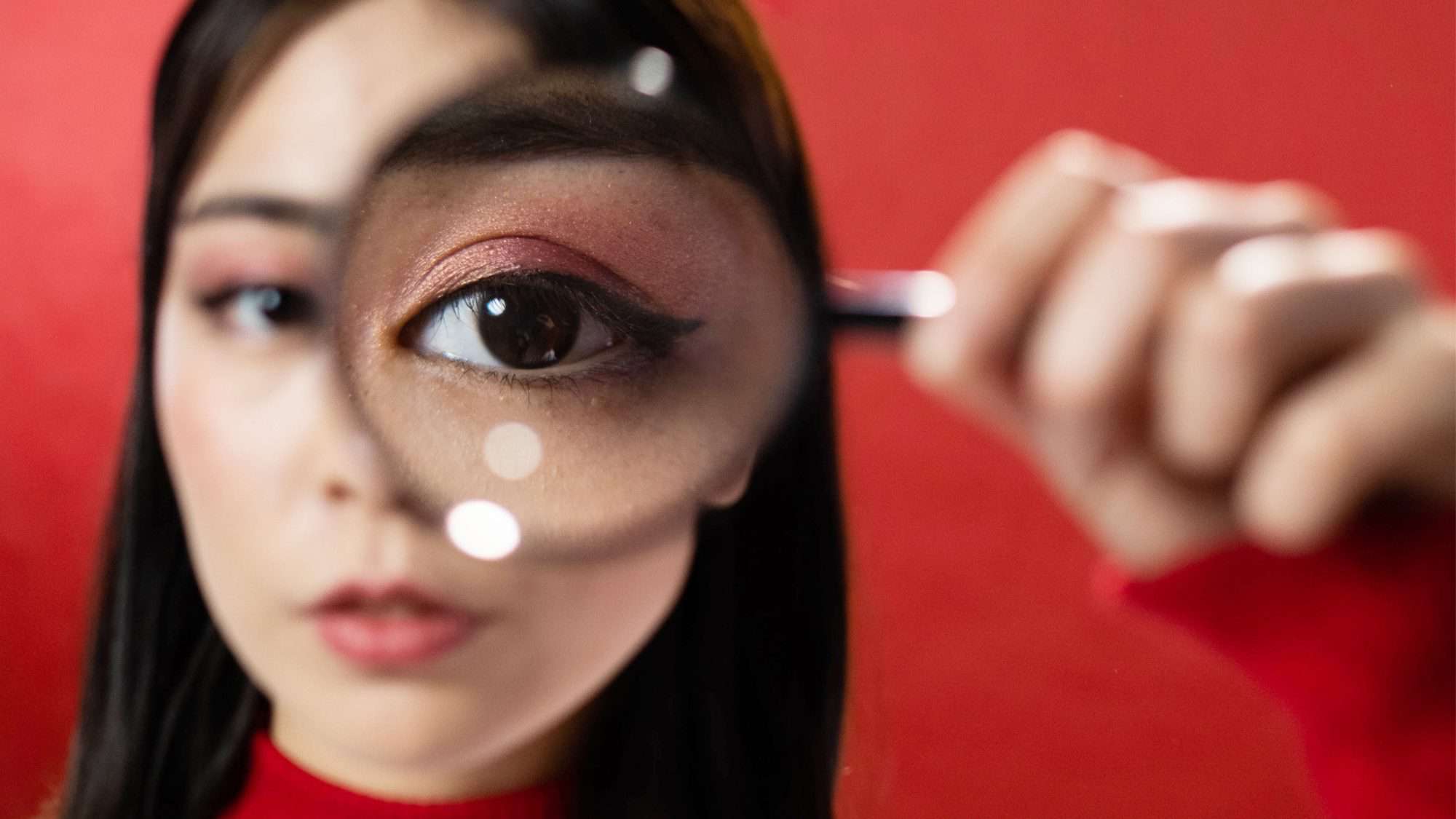
Your tears help keep the surface of your eyes moist and free of harmful debris. They are produced by the lacrimal (tear) glands and drained through tiny ducts located at the inner corner of the eye that connect to the nasal passages. But why do your eyes water when you lie down?
Any condition that increases tear production or interferes with tear drainage can cause watery eyes. You’re especially likely to notice tearing when you’re lying down because gravity is no longer helping direct the tears into the tear ducts. This raises the question: why do my eyes water when I lie down?
Read also: Eyelid Stye | Risk Factors and Treatment
Why Do My Eyes Water When I Lie Down at Night or During the Day?
It’s normal for tears to pool more in your eyes when you’re lying down than when you’re sitting or standing. Medical conditions that cause watery eyes or block the tear ducts can also lead to excessive tearing. Below are several reasons that may answer the question: “Why do my eyes water when I lie down?”
The Effect of Gravity on the Eye
The tear drainage system has both active and passive components. When you blink, the eyelid muscles create negative pressure within the tear ducts, helping draw tears into them. The passive component is gravity, which helps pull the tears toward the drainage canals.
When you lie down, you lose that passive part of the tear drainage system because gravity is no longer pulling the tears into the ducts in the same way. Losing this effect can cause more tears to accumulate on the surface of your eye.
Read also: Information About Laser Vision Correction Surgery
Pressure on the Face
When you lie on your side, your eyelids may partially open on their own, or your pillow or mattress may push them open. This can dry out the surface of your eyes, which then triggers reflex tearing afterward. Changing your sleeping position so that the area around your eyes is not pressed directly against the pillow may help reduce this tearing.
Read also: When Does Vision Deterioration Stop? | Is That Really True?
Yawning and Watery Eyes
It’s very common for your eyes to water when you yawn. This is thought to be partly due to the contraction of the muscles around your eyes, which briefly squeeze the lacrimal glands and force out more tears. You’re more likely to yawn when you’re tired, especially close to bedtime while you’re lying in bed, which makes tearing more noticeable in that position.
Read also: Glaucoma Surgery at Batal Specialized Center
Dry Eye
One of the most common signs of dry eye disease is actually excessive tearing. Reflex tearing can be more obvious when you’re lying down because gravity is no longer helping your body drain the extra fluid away. Common causes of dry eye include:
Blocked Tear Duct (Nasolacrimal Duct Obstruction)
A blocked tear duct is the most common reason for persistent tearing in infants. When the duct is blocked, tears cannot drain properly from the eye, so they build up and overflow. The blockage often affects only one eye and may be complete or partial. Causes of a blocked tear duct include:
Read also: ReLEx SMILE (Femtosmile) | Treating Different Degrees of Refractive Errors | Advanced Laser Techniques
Blepharitis, Pink Eye, and Other Infections
Many types of eye infections and inflammations can cause excessive tearing, such as:
Read also: Eye Antibiotics | Do They Really Work Well?
Read also: When Does Vision Deterioration Stop? | Is That Really True?

Whatever your vision problems or eye symptoms may be, these delicate medical conditions require a thorough eye examination and appropriate treatment by a skilled, experienced ophthalmologist using effective medical tools that deliver real results. Whatever eye disease or issue you are dealing with, you can book an appointment at Batal Specialized Center for a full eye evaluation and to begin addressing your eye problems, no matter how complex they are.
Read also: Scleral Buckling Surgery for Retinal Detachment | Guide from Batal Specialized Center