Med info
Everything You Need to Know About Night Blindness

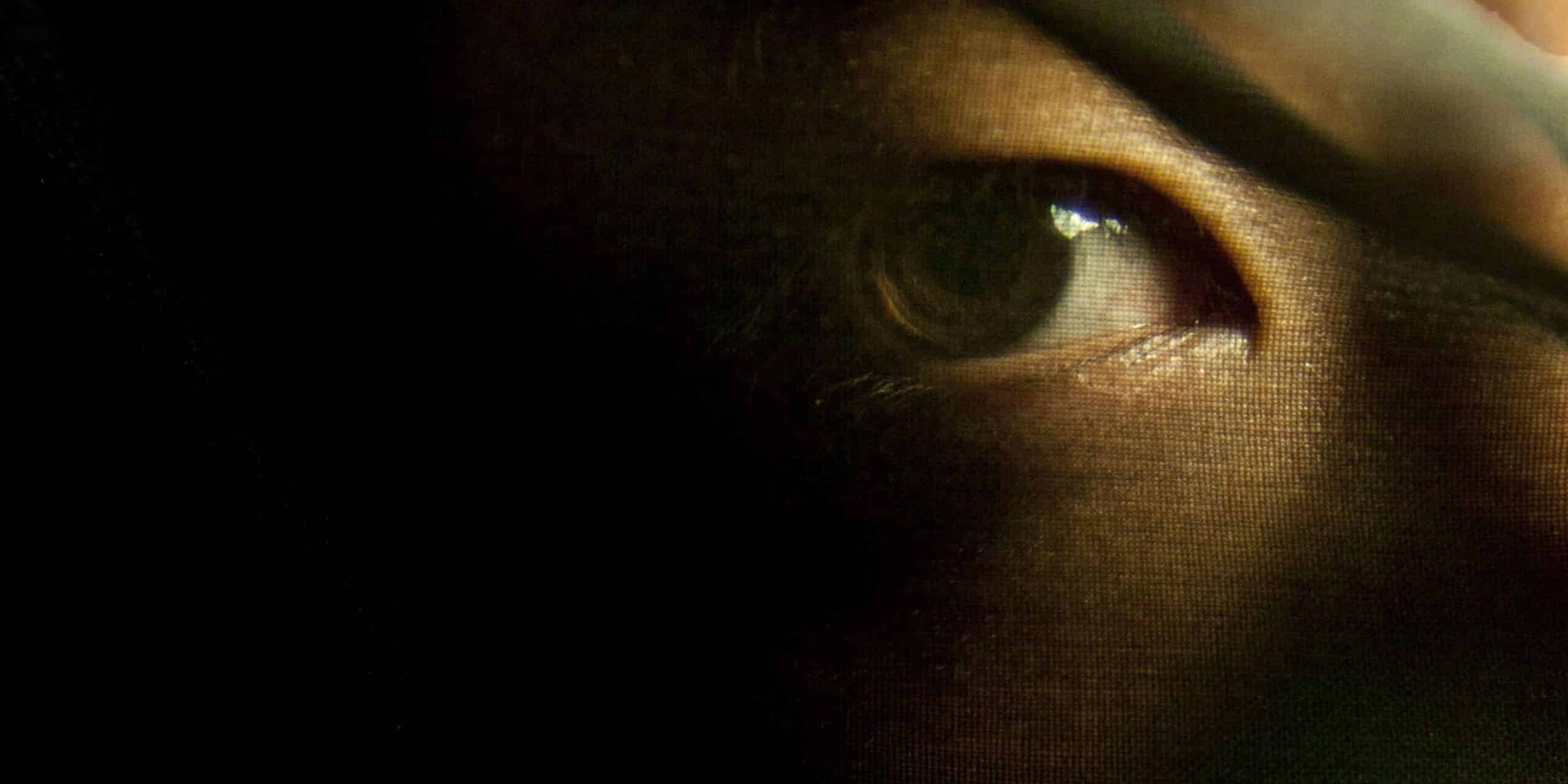
Nyctalopia, commonly known as night blindness, is a condition that reduces a person’s ability to see clearly at night or in low‑light environments, while daytime vision often remains relatively normal, even if the person is experiencing depression.
Night blindness is not a disease in itself; it is a symptom of an underlying problem. In some cases, nearsightedness (myopia) can make it very difficult to see at night. In dark environments, your pupils dilate to allow more light into the eyes.
This light is received by the retina, which contains the cells that help us see colors (cone cells) and see in low light or darkness (rod cells). When there is a problem affecting the rod cells due to disease or injury, you may not be able to see well—or at all—in the dark, leading to night blindness.
Read also: Proliferative Sickle Cell Retinopathy: What You Need to Know
Symptoms of Night Blindness
Nyctalopia itself is considered a symptom, and you may notice signs of night blindness under certain conditions, including:
If you are concerned about difficulty seeing in the dark, or you suspect you may have night blindness, have your eyes examined by an ophthalmologist (eye specialist).
Read also: What Is Vitreous Hemorrhage?
Causes of Night Blindness
Night blindness can be a symptom of several eye and systemic conditions, including:
Read also: Macular Hole in the Eye | Causes, Diagnosis, and Treatment
Diagnosing Night Blindness
Diagnosis depends on the underlying cause of night blindness. Your ophthalmologist or optometrist will ask about your symptoms, family history, and medications, and will perform a comprehensive eye exam to determine the reason for your night blindness. If needed, the specialist may order additional tests, such as a blood test, to measure blood glucose and vitamin A levels.
Read also: Hyperopia (Farsightedness) | Causes, Symptoms, and Treatment
How Is Night Blindness Treated?
Treatment also depends on the underlying condition causing the night blindness:
Night blindness can often be improved or treated when it is caused by certain factors, such as myopia, vitamin A deficiency, or cataracts. However, other causes of night blindness—such as retinitis pigmentosa or other inherited retinal diseases—currently have no definitive cure. In these cases, your doctor may discuss options to improve your quality of life and help reduce your symptoms.
Read also: Glaucoma Surgery at Batal Specialized Eye Center
Whatever vision problems, refractive errors, or eye conditions you may be experiencing, these are delicate medical issues that require a thorough examination and appropriate treatment by a skilled and experienced ophthalmologist, using effective medical tools and technologies that ensure positive results. Whatever eye disease or problem you are dealing with, you can book an appointment at Batal Specialized Eye Center to undergo the necessary evaluation and begin addressing your eye issues, no matter how complex they are.
Read also: Hyperopia (Farsightedness) | Causes, Symptoms, and Treatment

'/%3E%3C/svg%3E)