Med info
6 Important Facts About Glaucoma You Need to Know

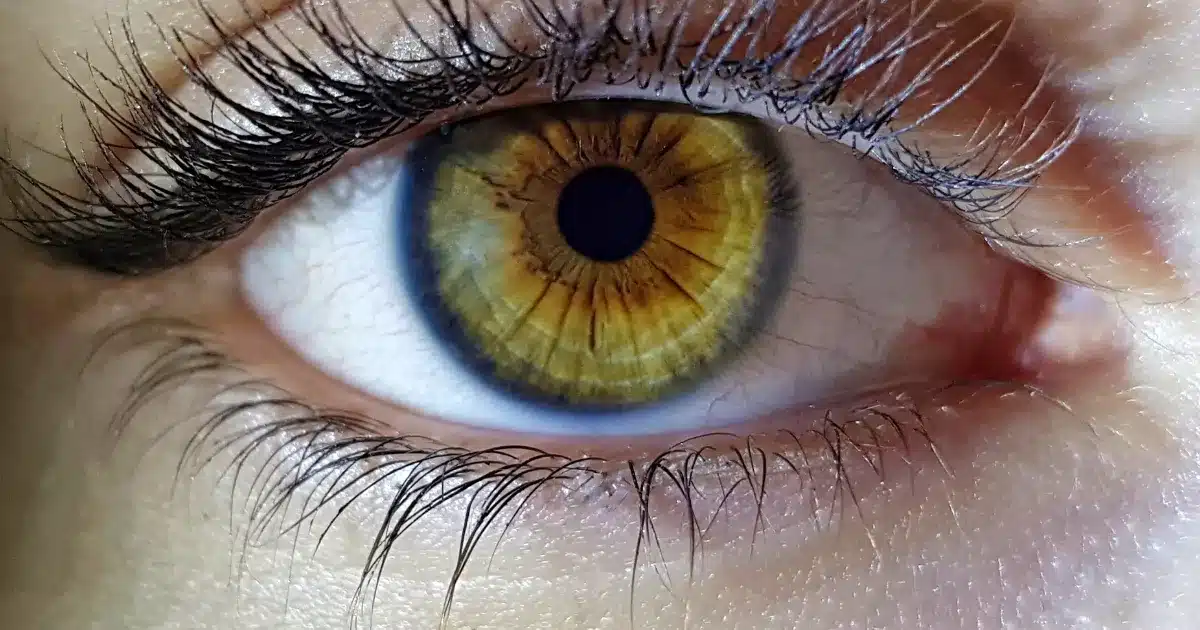
Glaucoma is one of the most common, serious, and progressive eye disorders that can affect people of all ages. Glaucoma damages the optic nerve, and this damage cannot be reversed. However, early detection can slow or stop its progression and help prevent vision loss—especially for people who delay treatment because they don’t fully understand the disease. For this reason, Batal Specialized Center would like to highlight key facts about glaucoma that you should know.
Read also: Frequently Asked Questions About LASIK Surgery
Glaucoma Affects the Optic Nerve
The optic nerve is a bundle of nerve fibers that connects the eye to the brain and carries visual signals. Glaucoma raises the intraocular pressure (eye pressure) and damages the optic nerve that links the eye to the brain. Once this nerve is damaged by glaucoma, the damage is permanent and cannot be reversed.
Read also: Causes and Risk Factors of Irregular Astigmatism
Certain Groups Are at Higher Risk for Glaucoma
Although glaucoma has a hereditary component and can occur in anyone, some groups are at a higher risk of developing it. For example:
Read also: Everything You Need to Know About Night Blindness
Glaucoma Can Be Asymptomatic
Primary open-angle glaucoma, the most common type, usually has no early warning signs. People who do not have regular eye exams may live with the condition for years without realizing it, until the disease becomes advanced. However, some individuals may notice certain symptoms such as:
Read also: Why Do My Eyes Water When I Lie Down? | Causes and Treatment
Glaucoma Is a Hereditary Disease
Glaucoma often runs in families. Having a family history of glaucoma significantly increases the likelihood of passing it on to the next generation. Primary open-angle glaucoma, the most common form, is 4–9 times more likely to occur if a first-degree relative (such as a parent or sibling) has the disease.
Read also: Eyelid Dermatitis | What You Need to Know About Eyelid Skin Inflammation
Routine Eye Exams Are Essential for Detecting Glaucoma
Because glaucoma is a progressive eye disease that can develop without obvious early signs, the risk of vision loss is much higher in people who have never had a comprehensive eye exam. Once vision is lost due to glaucoma, it cannot be restored.
A proper glaucoma evaluation typically includes:
Read also: Macular Hole of the Eye | Causes, Diagnosis, and Treatment
Glaucoma Can Be Treated – Important Facts About Glaucoma
Although existing optic nerve damage cannot be reversed, early diagnosis of glaucoma can slow or halt its progression. Once the stage of glaucoma is determined, your doctor can recommend the most appropriate treatment. Glaucoma treatment options include:
YAG PI Laser (YAG Peripheral Iridotomy):
This laser procedure is used to treat narrow-angle (angle-closure) glaucoma. A tiny opening is created in the peripheral iris to allow aqueous fluid to flow more freely and equalize pressure between the different chambers of the eye.
SLT Laser (Selective Laser Trabeculoplasty – SLT):
This is a painless laser procedure in which the doctor targets the eye’s drainage angle to improve fluid outflow and reduce the buildup of fluid inside the eye.
Whatever visual symptoms, refractive errors, or eye problems you may have, glaucoma and other eye diseases require a precise evaluation and appropriate treatment provided by a skilled ophthalmologist using effective medical tools that ensure the best outcomes. Whatever condition is affecting your eyes, you can book an appointment at Batal Specialized Center for a comprehensive eye examination and to begin addressing your eye problems—no matter how complex they are.
Read also: Scleral Buckling Surgery for Retinal Detachment | Batal Specialized Center Guide