
Med info
What Is Corneal Plastic Surgery (Corneal Transplant)?

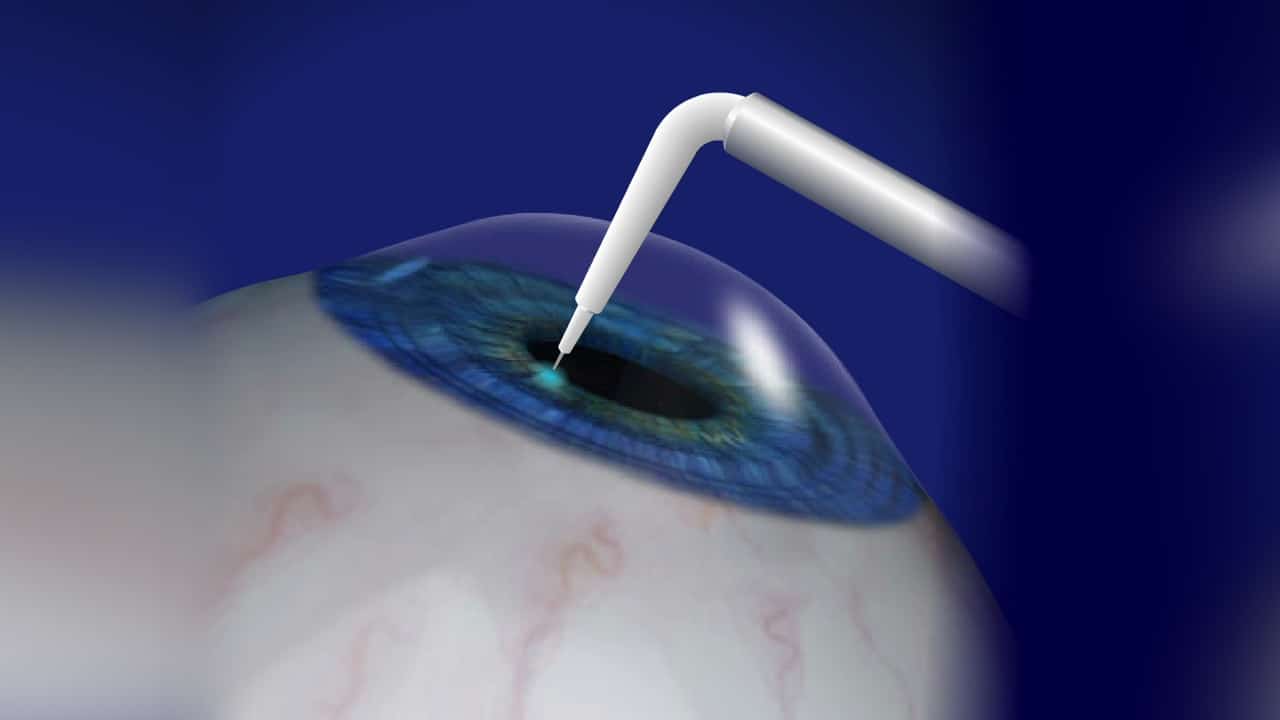
The cornea is the clear, transparent tissue at the front of the eye that allows light to enter so you can see clearly. When the cornea becomes damaged or diseased, it can distort your vision and cause painful swelling.
Fortunately, corneal plastic surgery, also known as a corneal transplant or keratoplasty, can restore vision and reduce or even eliminate eye pain. Keep reading to learn more about corneal repair procedures, whether you might be a good candidate, and how corneal surgery can help you see clearly again.
Read also: Treatment of Dry Eye with Intense Pulsed Light (IPL) | Facts and Information
Different Types of Corneal Plastic Surgery
Corneal plastic surgery, or keratoplasty, is a surgical procedure in which a damaged cornea is replaced with a healthy donor cornea from a human donor. There are several types of keratoplasty designed to help restore clear vision in people with corneal disease or injury.
Penetrating Keratoplasty
Penetrating keratoplasty (PK) is the traditional, full-thickness corneal transplant technique. During this procedure, the corneal surgeon uses a special circular cutting instrument (trephine) to remove a round disc of all layers of the damaged cornea.
A healthy donor cornea of matching size is then placed into the opening where the abnormal cornea was removed. Finally, the new cornea is secured with very fine sutures (stitches). Your ophthalmologist will remove these sutures once the eye has adequately healed. Penetrating keratoplasty is usually the preferred option when all layers of the cornea are affected.
Read also: Can Nearsightedness Be Corrected with Laser Surgery?
Deep Anterior Lamellar Keratoplasty (DALK)
Deep anterior lamellar keratoplasty, often called a partial-thickness corneal transplant, is used to remove the diseased layers at the front of the cornea while leaving the healthy inner layers intact. Structures such as Descemet’s membrane, the stroma, and the endothelium are preserved during this procedure when they are not affected by disease.
Read also: The Most Common FAQs About LASIK Surgery
Endothelial Keratoplasty
There are several forms of endothelial keratoplasty, including procedures such as DMEK (Descemet Membrane Endothelial Keratoplasty), DSEK, and DSAEK. In endothelial keratoplasty, only the diseased innermost layer of the cornea, known as the endothelium (along with Descemet’s membrane), is removed and replaced with donor tissue. The healthy outer and middle layers of the cornea are left in place.
An air bubble is used to hold the new endothelial graft in position for a few days until it adheres and bonds to the surrounding corneal tissue. Because endothelial keratoplasty uses much smaller incisions than penetrating keratoplasty, it is associated with faster healing and a lower risk of complications.
Read also: What Is Intraoperative Floppy Iris Syndrome (IFIS)?
What Happens During Corneal Plastic Surgery?
Corneal transplant surgery is usually performed under local anesthesia, so you will be awake but should not feel pain during the procedure. Depending on your specific condition, your corneal surgeon will choose one of the three main approaches described above to remove the affected corneal tissue and replace it with healthy donor tissue.
The surgery itself is typically done as an outpatient, same-day procedure and usually takes less than an hour. While a successful corneal transplant can restore vision and halt or slow the progression of corneal disease, you may still need prescription glasses or contact lenses afterward to achieve your best possible vision.
Read also: Ocular Herpes (Herpes of the Eye) and Everything You Need to Know
Recovery After Corneal Surgery
After surgery, your ophthalmologist will ask you to wear an eye shield or patch to protect the eye. You will need to wear it while sleeping to avoid rubbing or putting pressure on the eye. Your corneal surgeon will also prescribe eye drops for you to use at home.
Use your eye drops exactly as instructed to control infection, pain, and swelling, and to support smooth healing. Most people can return to a large part of their normal daily routine within about one to two weeks.
However, you should avoid heavy lifting, strenuous exercise, and swimming until your doctor confirms that it is safe to resume these activities. Be sure to attend all scheduled follow‑up appointments so your ophthalmologist can monitor your recovery. Keep in mind that full healing and stabilization of vision can take up to a year.
Read also: Eyelid Dermatitis (Inflammation of the Eyelid Skin) and What You Need to Know

Whatever eye condition or visual problem you are experiencing, it is important to remember that eye diseases require careful evaluation and the right treatment from a skilled, experienced ophthalmologist using effective, up‑to‑date medical tools to achieve the best outcomes. Whatever corneal or eye problem you may have, you can book an appointment at Batal Specialized Medical Complex for a comprehensive eye examination and to begin addressing your eye issues, no matter how complex they may be.
Read also: The MicroPulse Laser Device for Treating Eye Deviation and Strabismus