Med info
Laser Surgery for Hyperopia Correction

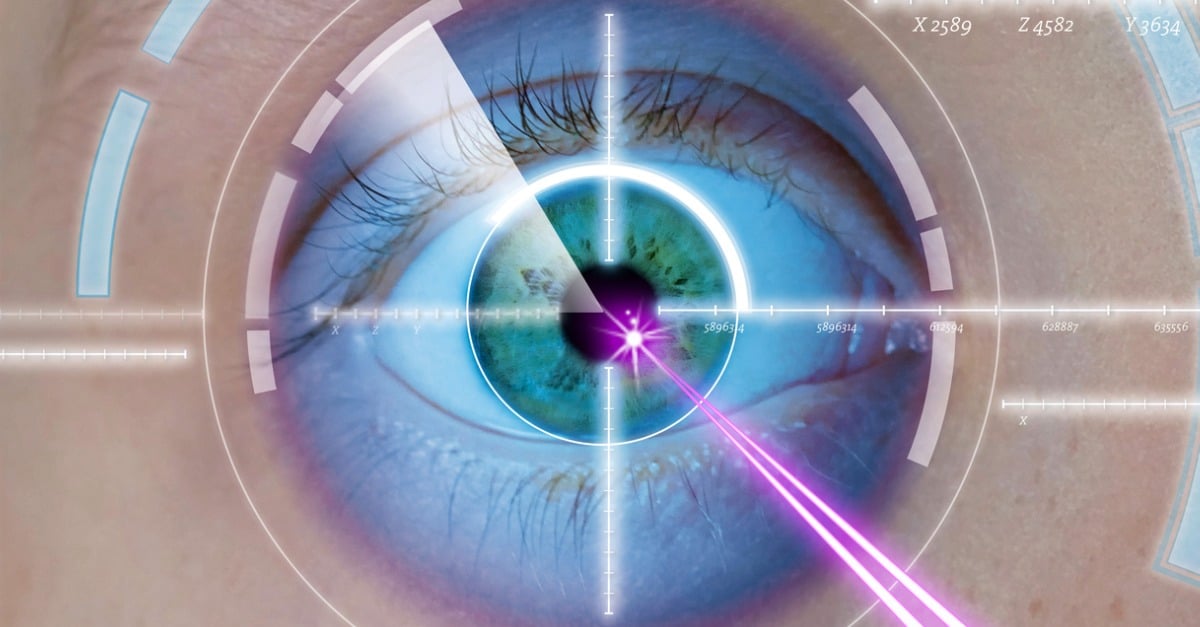
Before going into the details of laser surgery for correcting hyperopia (farsightedness), it is worth noting that the National Eye Institute reports that hyperopia affects about 5–10% of the population and can affect both children and adults. There are two main types of farsightedness: hyperopia and presbyopia, and treatment options vary depending on the type and severity of the condition.
There are three main types of refractive laser surgery used to treat hyperopia: LASIK (Laser-Assisted in Situ Keratomileusis), PRK (Photorefractive Keratectomy), and RLE (Refractive Lens Exchange).
Laser correction of hyperopia involves permanently reshaping the cornea. Although it is considered a minimally invasive procedure, it still carries some potential risks. However, the benefits often outweigh the possible drawbacks.
There are several things you should know before undergoing laser eye surgery, and you will need to take certain steps in preparation. Your eyeglass or contact lens prescription must be stable for at least one year.
Because the cornea is being reshaped, your corneal measurements must fall within a specific range to be a suitable candidate for laser surgery. Recovery time is relatively quick, but it is essential to care for your eyes properly and follow your doctor’s instructions after surgery to ensure healthy healing.
What Is Hyperopia?
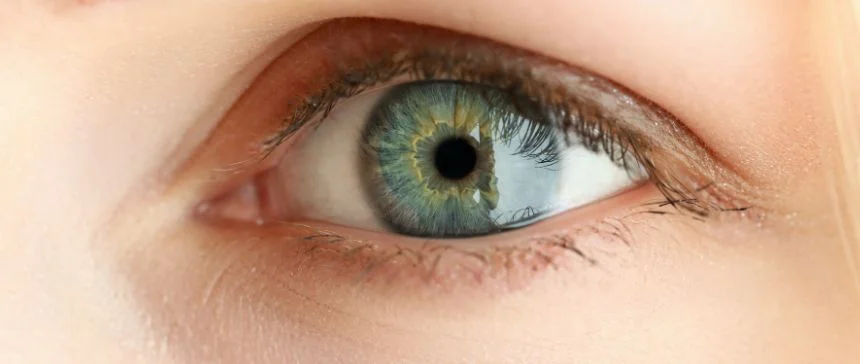
Hyperopia (farsightedness) is the most common form of “longsightedness,” affecting about 5–10% of the population. It occurs in people of all ages, and if parents are farsighted, their children are more likely to be farsighted as well.
This condition is usually caused by an abnormal shape of the cornea or an eyeball that is too short from front to back. Because children’s eyes are still growing, some kids with hyperopia may outgrow the condition over time.
Hyperopia can be difficult to detect during a basic eye exam because people with this condition can often see objects a few meters away (such as the eye chart) quite clearly.
However, if hyperopia is present, an ophthalmologist will detect it during a comprehensive eye examination. Many people with hyperopia use prescription glasses to see better, while others choose to correct their farsightedness with surgery.
Common symptoms of hyperopia include:
– Difficulty focusing on near objects
– Eye strain or fatigue after reading
– Headaches, especially after close work
– Blurry vision at near (and sometimes at distance in higher degrees)
If you think you might have hyperopia, speak with an eye doctor at Batal Specialized Medical Complex. Only a qualified specialist can accurately diagnose and manage this condition.
Presbyopia is another type of farsightedness that typically occurs in older adults. It usually begins around the age of 40 and often worsens until about age 65.
Over time, the eye muscles weaken and the lens becomes less flexible. A stiffer lens focuses light behind the retina instead of directly on it, making it harder to see nearby objects clearly.
Presbyopia shares many of the same symptoms as hyperopia, including:
– Needing to hold reading material at arm’s length
– Eye strain and headaches with near tasks
– Difficulty reading small print
– Blurry near vision
The main difference is that these symptoms are new for someone who has developed presbyopia. For example, you may suddenly find yourself holding books or newspapers at arm’s length to see them more clearly, even though you never had to do this before.
Presbyopia can only be diagnosed after a thorough, professional eye exam. If you are concerned that you might have it, book an appointment with an ophthalmologist at Batal Specialized Medical Complex in Jeddah.
Read also: Causes of Dry Eye After LASIK | Symptoms and Treatment Methods
Laser correction of hyperopia with LASIK

Eligibility Criteria for Laser Eye Surgery at Batal Complex in Jeddah
Refractive surgery is most commonly performed to correct myopia (nearsightedness). However, laser eye surgery can also be a viable option for hyperopia. Laser refractive procedures use a specialized laser to remove corneal tissue and reshape the cornea to correct refractive errors.
In hyperopia, the laser reshapes the cornea to make it steeper, increasing its focusing power so that light is directed onto the retina rather than behind it. Both LASIK and PRK are types of laser refractive eye surgery that can be used to correct hyperopia.
Presbyopia can be treated with a specialized technique called monovision, where one eye is corrected for distance vision and the other for near vision. This approach is not suitable for everyone, as it can take time to adapt. Because the eyes no longer focus identically, there is a period of adjustment and some people never fully adapt.
Hyperopia and presbyopia can also be treated by implanting an intraocular lens (IOL) via a procedure known as RLE (Refractive Lens Exchange), which involves replacing the eye’s natural lens with a clear artificial lens. The three main laser-related options for treating hyperopia are:
LASIK (Laser-Assisted in Situ Keratomileusis)
LASIK is one of the most common and successful forms of laser eye surgery, with very high success and satisfaction rates. The U.S. Food and Drug Administration (FDA) has published studies indicating that about 95% of patients are satisfied with their vision after LASIK.
In LASIK, a specialized laser is used to create a thin, hinged flap in the epithelium (the outer layer of the cornea). The flap is lifted, and a second laser is used to reshape the underlying stromal tissue (the inner corneal layer) to achieve the desired curvature.
The flap is then repositioned and allowed to adhere naturally without stitches or further intervention. The procedure typically takes less than an hour, is minimally invasive, and is considered safe for appropriately selected patients.
PRK (Photorefractive Keratectomy)
PRK is actually a type of surface ablation procedure that also uses an excimer laser. It involves removing the thin epithelial layer on the surface of the cornea completely, then reshaping the underlying cornea with the laser.
The epithelium later regenerates and naturally conforms to the new corneal shape. PRK is often recommended for people who have thin corneas and may not be suitable candidates for LASIK.
Refractive Lens Exchange (RLE)
Refractive Lens Exchange (also called clear lens extraction or lens replacement surgery) involves removing the eye’s natural clear lens and replacing it with a new transparent artificial lens.
This procedure is generally reserved for people who may not be good candidates for LASIK or PRK and who have significant hyperopia or presbyopia without cataracts.
Pros and Cons of Laser Hyperopia Correction
Laser and LASIK procedures were originally developed to treat myopia (nearsightedness). The peer‑reviewed, open‑access journal PLOS One has noted that hyperopic corrections historically carried different risks compared to myopic corrections, as hyperopic eyes were more likely to lose some of the achieved refractive effect and regress after LASIK. Advances in technology over the years have significantly reduced these risks, and modern laser surgery is now much more effective in treating hyperopia.
Presbyopia has traditionally been managed with monovision LASIK, where the two eyes are corrected differently. Because adaptation can be challenging, the eye corrected for distance may not be fully corrected for near vision, and some compromise is often necessary.
Monovision can also cause a mild reduction in distance vision clarity in some people. For many patients, newer options such as intraocular lenses and clear lens exchange procedures provide better overall outcomes.
Ongoing developments in IOL technology continue to reduce risks and improve benefits for suitable patients. RLE is a viable option for those who are not candidates for LASIK or PRK, even if their natural lenses are still clear. There is a small risk of vision loss due to infection, retinal complications, or other issues, but overall the risk is considered low, and RLE is regarded as a safe and effective procedure comparable to other established eye surgeries.
Laser surgery is a same‑day procedure and is classified as minimally invasive surgery, but it is still an operation with potential risks.
Possible complications of laser eye surgery include dry eyes, glare and halos around lights, reduced night vision, visual fluctuations, and infection.
Laser eye surgery for hyperopia is considered an elective procedure, and as such it is rarely covered by insurance. Costs can range from about $1,500 to $3,000 per eye, depending on the specific treatment and the severity of the refractive error. At Batal Specialized Medical Complex, prices start from about 3,000 SAR.
Over the long term, however, laser correction of hyperopia may save you money on eye exams, prescription glasses, and contact lenses, since it can reduce your dependence on corrective eyewear. Various payment and financing options are often available to help patients budget for surgery, and for many people, the benefit of improved vision justifies the cost.
Can Laser Vision Correction Cause Blindness?

The likelihood of serious complications from laser eye surgery is extremely low. When vision loss does occur, it is usually due to postoperative problems rather than the laser treatment itself. In most cases, any side effects are temporary, resolving over a few weeks or months, and do not threaten long‑term vision.
The most common short‑term issues are dry eyes and glare from bright lights at night. True blindness as a result of laser eye surgery is exceedingly rare. After surgery, you will be given a regimen of eye drops to help your eyes heal, keep you comfortable, and protect you from infection.
If you do not follow your surgeon’s instructions for using these drops, you increase your risk of a sight‑threatening eye infection. It is also important to follow their guidance on when it is safe to return to activities such as swimming and strenuous sports. Resting your eyes, especially in the first few days after surgery, is crucial. Your behavior during this early period can significantly influence the overall healing process.
Even so, infection after laser eye surgery is very rare, occurring in roughly 0.02% of patients. If left untreated, an infection can lead to severe vision loss or even legal blindness, which is why it is essential to use the prescribed antibiotic drops and to contact Batal Specialized Medical Complex immediately if you have any concerns.
Total blindness—complete lack of light perception—caused by laser eye surgery is extraordinarily rare. The American Board of Refractive Surgery reports that no one has ever been rendered completely blind solely from a properly performed laser eye procedure; when severe vision loss has occurred, “inadequate postoperative care” has been the primary contributing factor.
In summary, no one leaves the operating room unable to see. Any serious visual problems, in the rare cases in which they occur, develop later and are usually associated with not following postoperative care instructions. Furthermore, ongoing technological advances in laser eye surgery continue to improve safety and success rates.
How Long Does Hyperopia Correction Take at Batal Specialized Medical Complex?
To qualify for laser eye surgery for hyperopia or presbyopia, you need to be in good general health and have healthy eyes. Your prescription should be stable for at least one year. To treat presbyopia surgically, you should not already have significant cataracts.
At Batal Specialized Medical Complex, the actual hyperopia correction procedure is relatively quick and can usually be completed in about 15 minutes per eye, assuming there are no complications.
Your doctor will determine whether you are a suitable candidate for laser correction and which procedure is best for you. Prior to surgery, the ophthalmologist will perform detailed measurements of your eyes, including corneal thickness. If your corneas are not thick enough for LASIK, PRK may be a better option.
Recovery after laser eye surgery is generally rapid. LASIK is the least invasive and typically offers the fastest healing time. Most patients need to take about a day or so off work and avoid eye strain. You may be advised to limit television, reading, and computer use for a few days while your eyes recover.
Success Rate of Laser Vision Correction
The success rates of LASIK vision correction are well documented thanks to thousands of clinical studies evaluating patient outcomes. LASIK has an exceptionally high patient satisfaction rate—at least 96% according to the American Refractive Surgery Council—making it one of the most successful elective procedures in medicine.
For anyone considering refractive surgery, understanding LASIK’s success rate is an important part of the decision‑making process, as is understanding what these statistics mean in relation to your personal visual goals.
One of the key questions people ask is: “What is the success rate of laser vision correction?” Research data clearly show that LASIK is a safe and effective procedure that helps many patients improve their quality of life.
Read also: Femto‑LASIK Vision Correction Surgery
Treatment of Presbyopia
Presbyopia is an age‑related loss of the eye’s focusing flexibility. It can cause symptoms such as eye strain, headaches, and difficulty maintaining focus while reading. People with presbyopia are often sensitive to light and may experience glare. These problems result from age‑related changes in the structure and elasticity of the eye.
There is no single “best” treatment for presbyopia, but there are several common management options. Multifocal contact lenses are one popular choice, and they come in different designs to suit your visual needs and eye health. Your ophthalmologist will recommend the most appropriate option based on your exam and your preferences.
Another option may be monovision contact lenses. Unlike multifocal lenses, monovision uses a different single‑focus lens in each eye—one lens set for distance vision and the other set for near (reading) vision.
Depending on your prescription and visual demands, monovision may or may not be the optimal solution for your presbyopia. Your eye doctor will advise you based on the health of your eyes and your daily lifestyle needs.
Laser eye surgery for presbyopia correction is somewhat controversial, because presbyopia is not primarily caused by corneal shape but by changes in the lens. That makes it more challenging to treat surgically than myopia or hyperopia. Nevertheless, some surgeons do offer laser‑based approaches for presbyopia. Discuss with your ophthalmologist at Batal Specialized Medical Complex whether any of these options are appropriate in your case.
Read also: Learn About the Causes of Cloudy Vision and How to Treat It
Treatment of presbyopia

Hyperopia Correction with LASIK
Custom wavefront‑guided LASIK is a type of laser eye surgery used to correct certain refractive errors, including hyperopia (farsightedness), myopia (nearsightedness), and astigmatism (irregular corneal curvature).
The main goal of this relatively straightforward procedure is to allow patients to see clearly without relying on glasses or contact lenses. It works by reshaping the cornea to improve how light is focused onto the retina.
The cornea is the clear, dome‑shaped outer layer at the front of the eye. It protects the iris, pupil, and anterior chamber (the fluid‑filled front part of the eye). One of its primary roles is to control and focus incoming light. Together with the anterior chamber and lens, the cornea refracts (bends) light so that it focuses on the retina.
A healthy cornea is smooth and evenly curved in all directions, allowing focused light to fall precisely on the retina. When there is an irregularity in the shape of the cornea, it cannot focus light accurately. Instead of forming a sharp image on the retina, the image is focused in front of or behind it, leading to blurred or distorted vision.
Hyperopia occurs mainly due to two factors: a relatively flat cornea or an eyeball that is abnormally short, or a combination of both. In these situations, light entering the eye does not bend sufficiently and is focused behind the retina instead of directly on it. As a result, near objects appear blurry or distorted. LASIK corrects this by reshaping the cornea so that it provides the proper refractive power.
If you are interested in LASIK, an eye specialist at Batal Specialized Medical Complex can evaluate whether you are a good candidate based on your medical history and a comprehensive preoperative eye exam.
They will also discuss realistic expectations with you so that you can decide whether surgery is the right choice. In most cases, LASIK has been found to be highly successful in treating hyperopia, myopia, and astigmatism.
Read also: Key Advantages of Femto‑LASIK Vision Correction at Batal Complex in Jeddah
When Does Vision Stabilize After Laser Surgery?
Laser vision typically stabilizes fairly quickly. Current data suggest that there is little to no significant change after the two‑week postoperative checkup for most patients. However, those with higher levels of astigmatism or severe myopia may take up to six weeks for their vision to fully stabilize.
Cost of Laser Hyperopia Correction
The cost of laser vision correction in Saudi Arabia depends on many factors, including the technology used, the surgeon’s experience, and the specifics of your individual case. Generally, prices start at around 3,000 SAR and increase according to the level of service and findings from a comprehensive eye exam.
Frequently Asked Questions About Laser Hyperopia Correction
Is hyperopia treatable with laser?
Laser correction of hyperopia uses an excimer laser to reshape the cornea and adjust the eye’s refractive power. By increasing corneal curvature, the eye becomes better able to focus images onto the retina, thereby reducing farsightedness.
Can hyperopia be completely cured?
Hyperopia does not disappear on its own unless it is surgically corrected. Even after surgery, your vision can still change over time as part of the natural aging process. Glasses or contact lenses can always be used to correct your vision and help your eyes focus properly if needed.
What are the risks of untreated hyperopia?
If hyperopia is left uncorrected, you may not be able to perform tasks as well as you would like, and limited vision can reduce your enjoyment of daily activities. You may develop eye strain, headaches, and fatigue, and you may find yourself squinting or straining your eyes in order to maintain focus.
What is the best type of vision correction surgery?
For many people with refractive errors such as myopia, hyperopia, or astigmatism, LASIK has become the “gold standard” procedure due to its safety profile, predictability, and high satisfaction rates.
When does blurriness go away after laser eye surgery?
Although you will usually see better the day after surgery, your vision may still be slightly blurry or hazy at first. These temporary issues typically improve within the first few weeks. However, it can take about two to three months for your vision to fully stabilize and for the eyes to complete the healing process.
Whatever visual symptoms or eye problems you may be experiencing, these are delicate medical conditions that require careful evaluation and appropriate treatment from a skilled, experienced ophthalmologist using effective medical technology.
Whatever eye disease or refractive error you have, you can book an appointment at Batal Specialized Medical Complex for a thorough examination and to begin addressing your eye problems, no matter how complex they may seem.