
Med info
Red Eyes in Children: Causes and Treatment 2026

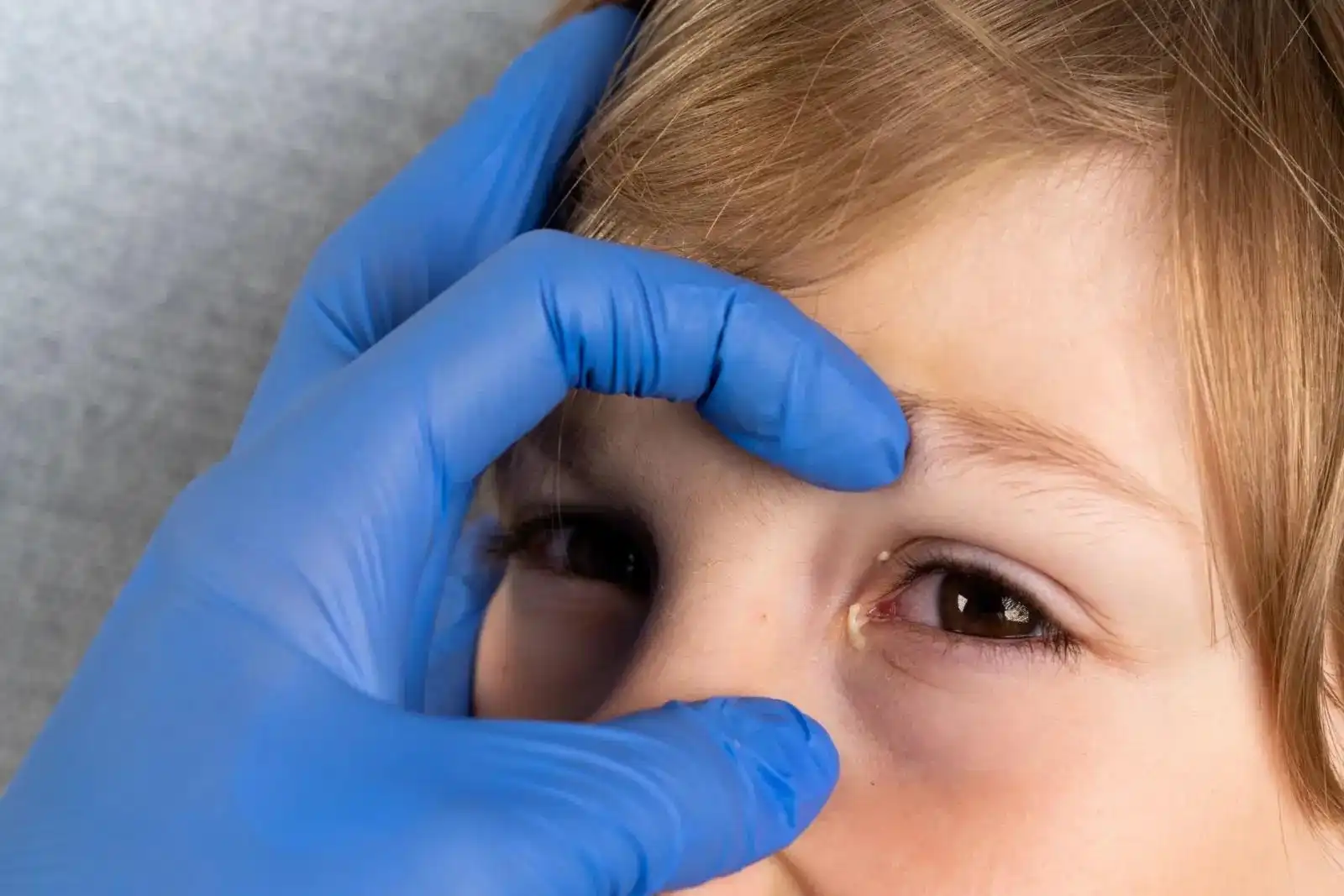
Red eyes in children have become increasingly common in recent years. Because the causes and symptoms vary, parents are often keen to understand this condition more closely so they can take the right precautions to protect their children. At the Eye Center at Batal Specialized Complex, we will review key information about the symptoms, causes, and treatment of red eyes in children.
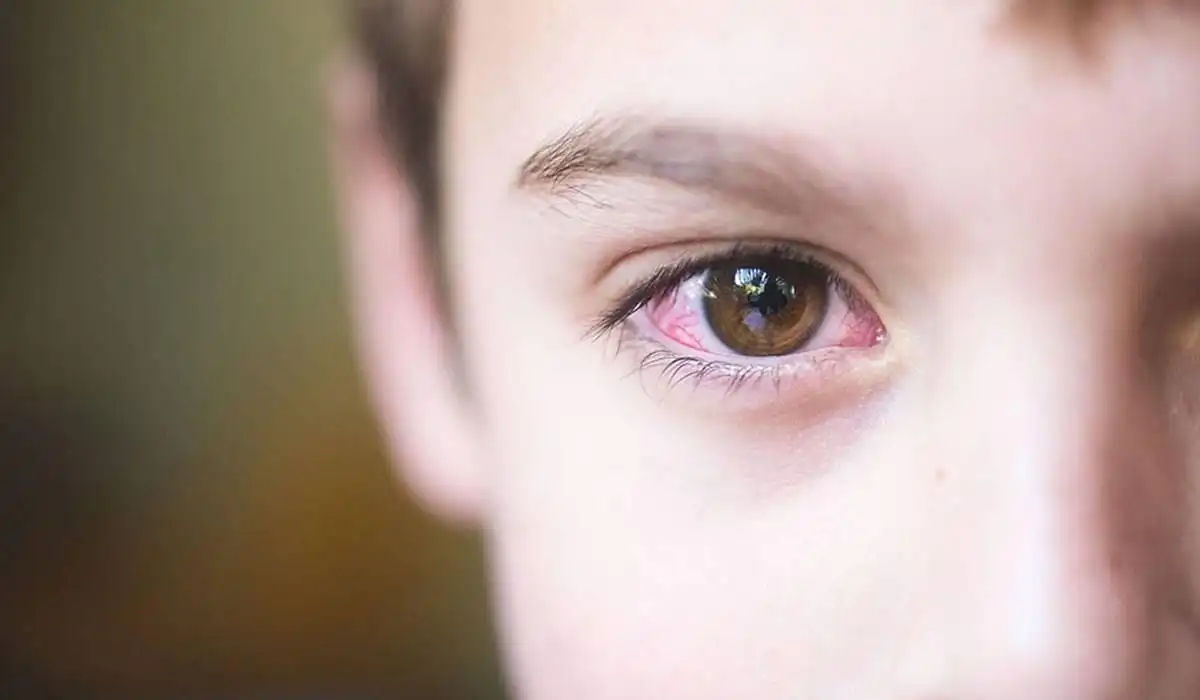
Causes of Red Eyes in Children
The causes of red eyes in children are diverse, as many different factors can lead to eye redness. Below is a detailed and comprehensive overview of the most common causes.
Viral Conjunctivitis
Viral conjunctivitis is one of the most common causes of red eyes in children. It is highly contagious, and children can easily catch it from others. It typically presents with watery discharge from the eye.
Bacterial Conjunctivitis
Bacterial conjunctivitis is an inflammation and swelling of the outer membrane covering the eyeball due to infection of the conjunctival blood vessels. It usually causes thick, pus-like (purulent) discharge from the eye and generally requires antibiotic treatment.
Allergic Conjunctivitis
Allergic conjunctivitis is also a common reason for red eyes in children. It occurs when the child is exposed to allergens such as pollen, dust, pet dander, or other triggering substances.
Dry Eye
Dry eye can cause itching and redness in children’s eyes. It may result from decreased tear production, exposure to dry air, or the use of certain medications that reduce tear secretion.
Scratches and Infections
Eye scratches (corneal abrasions) and eye infections are among the frequent causes of eye redness in children, especially given their high activity levels, frequent movement, and play, which increase the likelihood of minor eye injuries.
Blocked Tear Ducts
Blocked tear ducts are common in infants and young children. This blockage may be noticed when there are no tears while the baby is crying. It can lead to irritation and redness of the eye.
Irritants and Pollutants
Exposure to dust, smoke, chemicals, or other environmental pollutants can cause eye redness in children. It is important to reduce the child’s exposure to these irritants, especially in newborns and very young infants.
Causes of Sudden Red Eye in Children
The most common causes of sudden-onset eye redness in children include:
– Acute viral or bacterial conjunctivitis
– Sudden exposure to strong irritants (like smoke or chemical fumes)
– A foreign body entering the eye
– Corneal scratches or minor trauma to the eye
– Sudden allergic reactions
Causes of Redness in the Left Eye in Children
Redness limited to the left eye in children may be due to:
– Localized conjunctivitis (viral, bacterial, or allergic) affecting only one eye
– A foreign body or scratch in the left eye
– Blocked tear duct on the affected side in infants
– Rubbing the left eye more frequently than the right
– Mild trauma or direct injury to the left eye
Causes of Redness in the Right Eye in Children
The causes of redness in the right eye in children are essentially the same as those for the left eye. Most often, they are related to conjunctivitis, but they may also include dry eye, exposure to irritants, allergies, or dust and airborne particles.
: Causes of Red Eyelids in Children
Inflammation and redness of the eyelids (blepharitis) are common in children and may be caused by:
– Bacterial infection of the eyelid margin
– Blockage or inflammation of the oil (meibomian) glands in the eyelids
– Allergic reactions involving the eyelid skin
– Irritation from rubbing the eyes
– Skin conditions that affect the eyelids (such as seborrheic dermatitis)
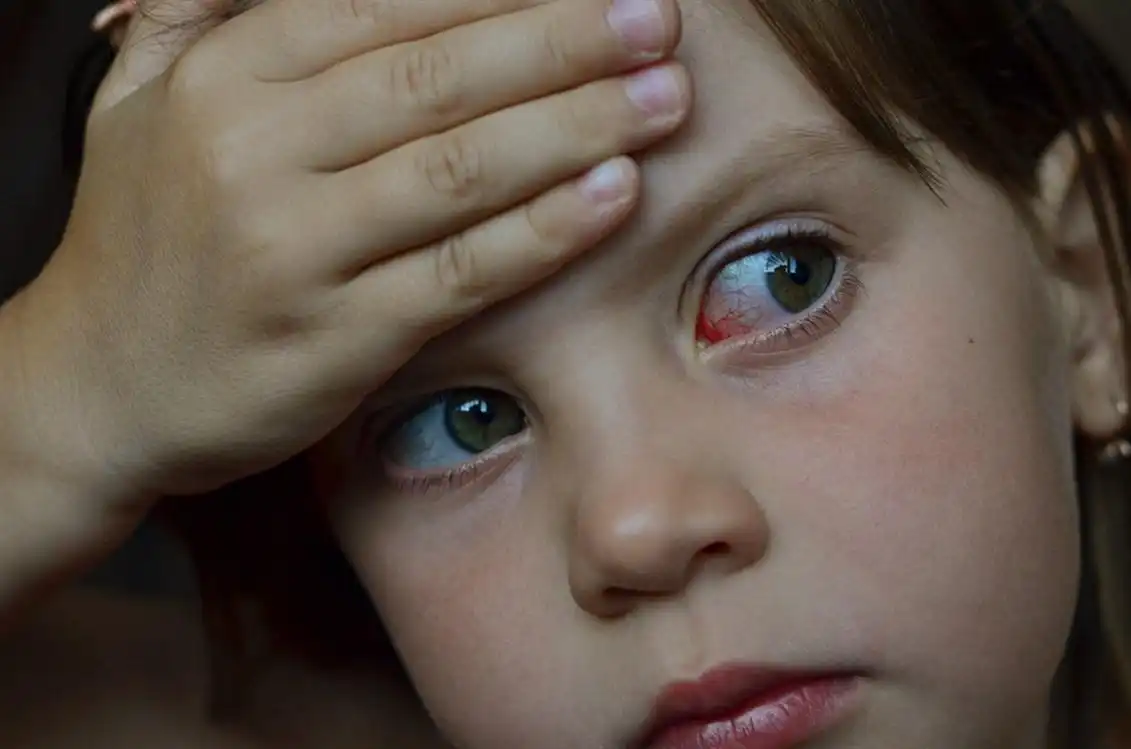
Symptoms of Red Eyes in Children
Common signs and symptoms that accompany red eyes in children include:
– Noticeable redness in one or both eyes
– Itching or a burning sensation
– Excessive tearing or watery eyes
– Eye discharge (watery, mucous-like, or pus-like)
– Swelling of the eyelids or conjunctiva
– Sensitivity to light (photophobia)
– A feeling of something stuck in the eye (foreign body sensation)
– Crusting around the eyelashes, especially upon waking
– Blurred vision in some cases
Treatment of Red Eyes in Children at the Doctor’s Office
Treatment of red eyes in children at the clinic depends on the underlying cause determined by the eye specialist. After examining the child and making a diagnosis, the doctor may prescribe:
– Antibiotic eye drops or ointments for bacterial conjunctivitis
– Antiviral medications in certain viral infections
– Antiallergy eye drops or oral antihistamines for allergic conjunctivitis
– Lubricating eye drops (artificial tears) for dry eye
– Specific treatment for blocked tear ducts or eyelid conditions
Surgical or procedural interventions are rarely required and are usually reserved for special cases, such as persistent blocked tear ducts or complications that do not respond to medical treatment.
Read also: Dry Eye: Everything You Need to Know About Causes and Treatment of Dry Eye
Home Treatment for Red Eyes
Home care measures that can help relieve red eyes in children include:
– Gently cleaning the eye discharge with sterile gauze and warm water
– Applying warm or cool compresses to the closed eyelids, as advised by the doctor
– Preventing the child from rubbing or touching their eyes
– Avoiding exposure to smoke, dust, and other irritants
– Keeping the child away from known allergens whenever possible
– Encouraging good hand hygiene to prevent the spread of infection
– Not sharing towels, pillows, or eye cosmetics
It is also important to keep the child’s environment clean and regularly disinfected to reduce the risk of infection and irritation.
Read also: Contact Lenses at Batal Complex in Jeddah
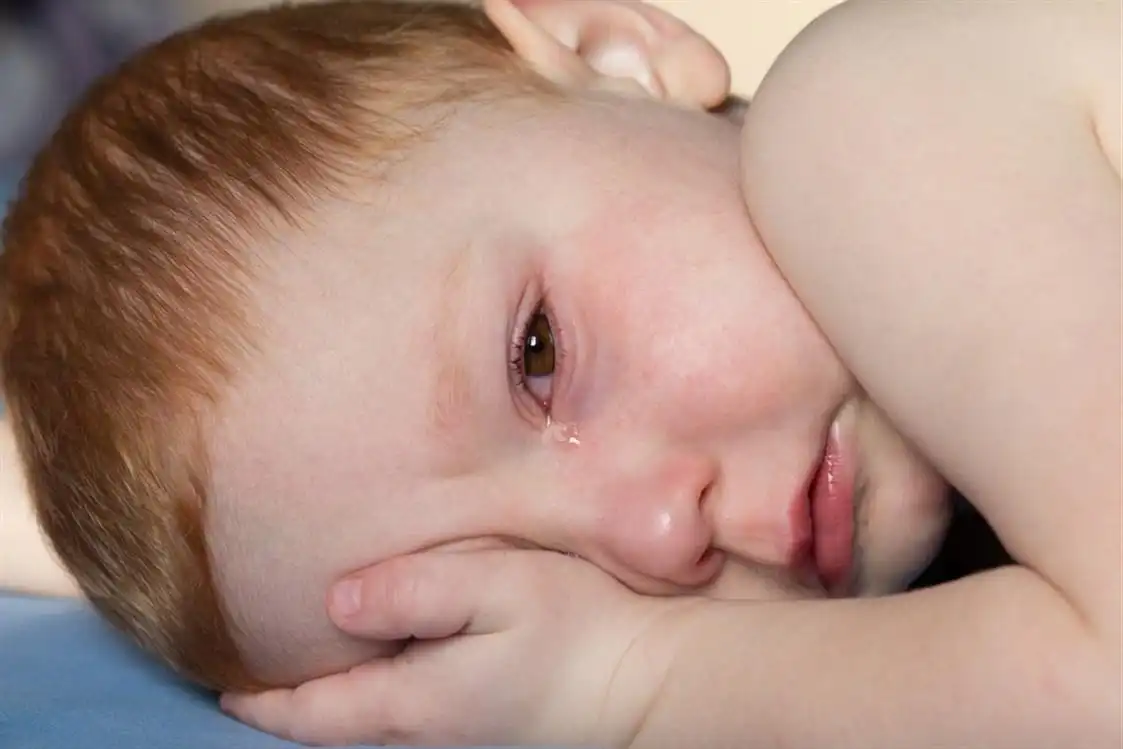
Eye Drops for Treating Red Eyes in Children
There are many types of eye drops that an ophthalmologist may prescribe to treat red eyes in children, depending on the cause, such as:
– Antibiotic eye drops for bacterial infections
– Antihistamine or mast-cell stabilizer eye drops for allergies
– Lubricating (artificial tear) drops for dryness and irritation
– Combination drops (containing more than one active ingredient) in selected cases
These medications must be used strictly according to the doctor’s instructions in terms of dose and duration, and parents should avoid using over-the-counter eye drops without medical advice, especially those containing vasoconstrictors (decongestants), in children.

In conclusion, we have reviewed the main aspects of red eyes in children and highlighted essential information that helps parents recognize this condition more clearly. You can contact us at the Eye Center at Batal Specialized Complex for diagnosis and treatment of various pediatric eye problems.