Med info
Blurred Vision: A Comprehensive Guide to Symptoms, Diagnosis, Treatment and Prevention

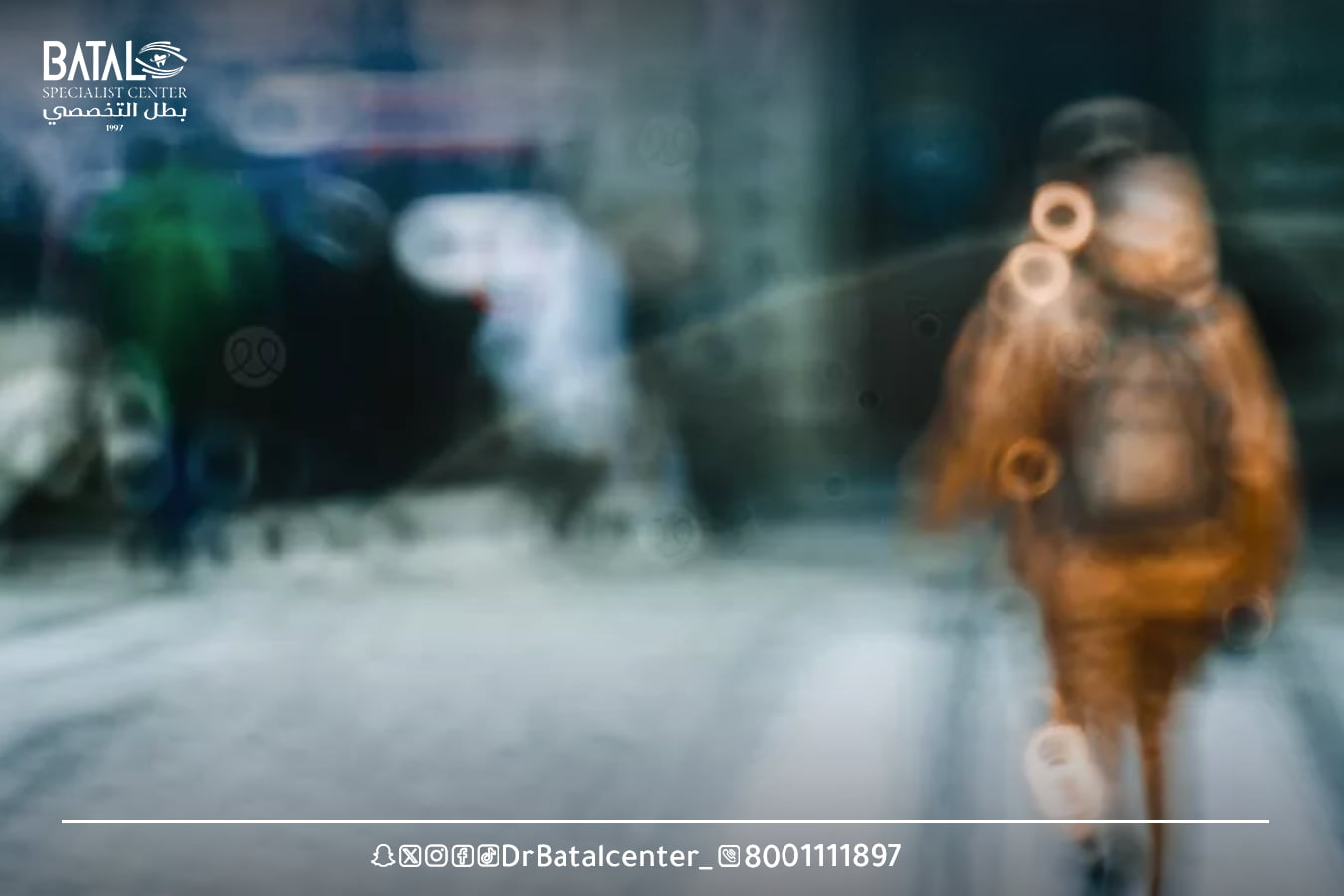
Our eyes allow us to see and interact with the world around us, and the possibility of losing that vision can be frightening. While many vision problems are easily corrected with glasses or contact lenses, blurred vision can be a more serious concern. Blurred vision may develop due to aging, eye injury, or illness, and in some cases, it may be a sign of an underlying health condition. For this reason, it is important to recognize early warning signs and seek medical care promptly whenever you notice changes in your vision.
What Is Blurred Vision?
Blurred (or hazy) vision is when you find it difficult to clearly see fine details, regardless of distance. The eyes are unable to correctly process incoming light signals, making it hard to focus and see objects sharply. Instead, objects appear foggy, unclear, or out of focus.
If you are experiencing blurred vision, it is recommended to schedule a comprehensive eye examination at Batal Specialized Eye Center, where an ophthalmologist can determine the cause and recommend the best treatment.
Medical terms for blurred vision include:
blurred vision, hazy vision, unclear vision, fuzzy vision.

Temporary vs. Persistent Blurred Vision
- Temporary blurred vision is often reversible and may occur due to eye strain, dry eyes, wind exposure, or side effects of certain medications.
- Persistent blurred vision is usually associated with underlying medical conditions or structural changes in the eye, such as cataracts, macular degeneration, or diabetic retinopathy, and may require medical treatment.
Types of Blurred Vision
There are multiple types of blurred vision, depending on the source of the problem:
1) Refractive Blurred Vision
Caused by refractive errors such as nearsightedness, farsightedness, and astigmatism.
This type is usually consistent and can be corrected with glasses, contact lenses, or refractive surgery.

2) Optical Blurred Vision
Occurs due to issues in the eye’s optical system, such as cataracts, keratoconus, or irregular corneal shape.
It may be more noticeable under specific lighting or distances.
3) Neurological Blurred Vision
Linked to how the brain processes visual signals, such as in stroke, head trauma, or neurological disorders.
It may be accompanied by other visual disturbances.
4) Inflammatory Blurred Vision
Caused by eye inflammation, such as uveitis, optic neuritis, or dry eye syndrome.
Often associated with redness, pain, or light sensitivity.
5) Muscular Blurred Vision
Results from issues in the eye muscles, such as strabismus or double vision.
May be more noticeable in specific gaze directions.
6) Temporary Blurred Vision
Due to fatigue, stress, environmental changes, or prolonged screen use.
Usually improves on its own.

Causes of Blurred Vision
Blurred vision can result from various causes depending on age, health, and lifestyle. It may be linked to refractive errors, corneal or lens problems, retinal or optic nerve diseases, or simple fatigue and dryness.
Because the causes are many and symptoms may overlap, self-diagnosis is not recommended.

Symptoms of Blurred Vision
Common early warning signs include:
- Gradual loss of visual sharpness, leading to foggy vision
- Sensitivity to glare and bright lights
- Difficulty seeing at night
- Frequent changes in glasses or contact lens prescriptions
- Faded or dull color perception
- Seeing halos around lights
If you notice any of these symptoms, consult an ophthalmologist promptly.
Regular eye examinations are essential for maintaining long-term eye health.
Treatment of Blurred Vision
At the Eye Clinic
| Condition | Recommended Treatment |
|---|---|
| Refractive errors | Glasses, contact lenses, LASIK or PRK |
| Cataracts | Cataract surgery with replacement lens |
| Corneal disorders | Specialized contact lenses, corneal cross-linking, or corneal transplant |
| Inflammatory conditions | Eye drops, medications, or targeted therapy |
| Neurological causes | Referral to a neurologist and specialized treatment |
Home Care Tips
- Rest your eyes regularly, especially during screen use
(20-20-20 rule: every 20 minutes, look 20 feet away for 20 seconds) - Blink frequently to maintain tear film hydration
- Use over-the-counter artificial tears
- Improve lighting conditions
- Use humidifiers and avoid excessive air conditioning
Managing Blurred Vision with Headache
- Identify and treat the underlying cause
- Correct refractive errors
- Treat dry eyes if present
- Apply warm or cold compresses
- Seek medical care if symptoms persist or worsen
Prevention Tips
- Schedule regular eye exams
- Limit screen exposure and take frequent visual breaks
- Control diabetes and blood pressure
- Protect your eyes from UV rays
- Maintain a balanced, antioxidant-rich diet
- Stay hydrated and get enough sleep
- Avoid smoking and vaping
How to Get Rid of Blurred Vision
- Determine the precise cause through a comprehensive eye exam
- Use corrective lenses or consider refractive surgery if needed
- Treat dry eyes with moisture drops and environmental adjustments
- Manage underlying health conditions
- Adopt healthy visual habits
If blurred vision persists or worsens, seek evaluation at Batal Specialized Eye Center in Jeddah for advanced diagnostic imaging and personalized treatment planning.
See Clearly Again with Batal Specialized Eye Center
Don’t let blurred vision affect your daily life.
At Batal Specialized Eye Center, we provide complete eye care solutions—from precise diagnosis and customized treatment plans to advanced surgical correction.
Our experienced ophthalmologists are dedicated to restoring your vision and enhancing your eye health.
Contact us today or book your appointment online and begin your journey toward clearer, healthier vision.