
Cataract surgery
Book an Appointment or Medical Consultation

Cataract Surgery – Procedure Details
Cataract surgery is a surgical procedure to remove the clouded natural lens of the eye and, in most cases, replace it with an artificial intraocular lens. An ophthalmologist may recommend cataract surgery when vision impairment begins to affect daily life. The procedure is generally safe and highly effective. Traditional cataract surgery, also known as phacoemulsification, involves making a small incision in the cornea. A specialized instrument is then inserted to reach the lens capsule, where ultrasound waves are used to break up the cataract. The fragmented lens is carefully removed, and a new artificial lens is implanted to restore clear vision.
The Difference Between Cataract and Glaucoma
Cataract (White Water)
Cataract is the leading cause of blindness worldwide. It occurs when the natural lens of the eye becomes cloudy, affecting vision clarity. Vision can be effectively restored through surgery in most cases. In many situations, delaying cataract surgery does not cause serious harm; however, leaving it untreated for too long can make the procedure more complex.
Glaucoma (Blue Water)
Glaucoma causes damage to the optic nerve and is the leading cause of irreversible blindness worldwide. Unlike cataracts, lost vision cannot be restored. However, medications, laser treatments, and surgery can help control the condition and prevent further deterioration. Urgent surgical intervention may be required, especially if the condition does not respond to medication or laser therapy.
When Do You Need Cataract Surgery?
Your doctor may recommend cataract surgery if vision loss begins to interfere with daily activities such as reading, driving, or watching television. In some cases, surgery may be advised even if cataracts are not the main cause of your visual problems.
For example, cataract removal may be necessary so the doctor can clearly examine the back of your eye. If you have another eye condition—such as diabetic retinopathy or age-related macular degeneration (AMD)—your doctor needs a clear view of the retina to provide proper treatment.
What Happens During Cataract Surgery?
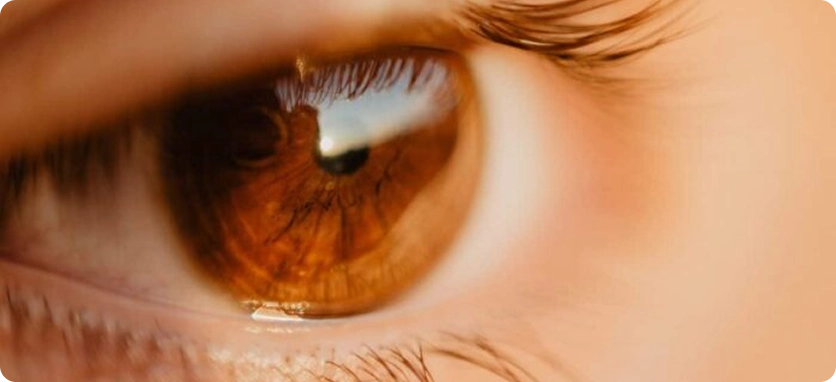
During the procedure, the surgeon removes the cloudy natural lens from your eye and replaces it with an artificial intraocular lens. The surgery typically takes about one hour and is almost painless. You will usually be awake during the procedure and may notice light or movement, but you will not be able to see the surgeon or feel any discomfort.
What Happens After Cataract Surgery?
Your doctor will explain how to protect your eye after cataract surgery and will prescribe eye drops to support healing. You may be advised to wear glasses or a protective eye shield, and to avoid certain activities for a few weeks, such as touching your eye, bending down, or lifting heavy objects.
It is normal to experience mild itching, discomfort, or sensitivity to light and touch. Within one or two days, you should begin to notice improvement in your eye and vision.
Will Vision Be Normal After Cataract Surgery?
About 9 out of 10 people experience significant improvement in vision after cataract surgery. However, vision may be slightly blurry at first while the eye is healing.
Many patients also notice that colors appear brighter and clearer after surgery. This is because the artificial lens is transparent, whereas the natural cataract-affected lens often has a yellow or brown tint.
Can Cataracts Turn into Glaucoma?
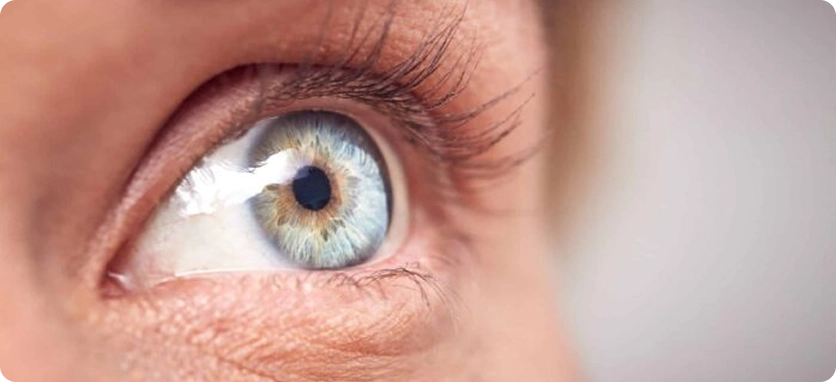
Cataracts usually develop with age and cause gradual vision deterioration. In the early stages, vision becomes slightly weaker, then progresses to blurred or cloudy vision. Patients may also experience sensitivity to bright lights and difficulty seeing at night. As the condition advances, the pupil may change from its normal color to gray or white, and vision can become significantly impaired.
Cataracts form as the proteins in the eye’s natural lens break down over time. Certain age-related conditions such as diabetes and high blood pressure can accelerate this process, as well as long-term use of certain medications.

Cataract (Clouding of the Eye Lens)
Overview of Cataract (White Water in the Eye)
Cataract, commonly known as “white water in the eye,” develops due to the buildup of broken-down proteins inside the natural lens, leading to clouding and reduced vision. Glaucoma, or “blue water,” on the other hand, is caused by increased fluid pressure inside the eye.
It is common for cataracts to develop after glaucoma surgery. For this reason, we usually recommend waiting at least one year after glaucoma treatment before performing cataract surgery.
In both cases, early detection and proper treatment generally lead to positive outcomes. However, cataracts do not usually require immediate intervention, while glaucoma is a serious condition that requires prompt medical consultation and treatment.
Types of Cataract Surgery
There are two main types of cataract surgery. Your doctor will explain the differences and help determine the most suitable option for your condition.
Phacoemulsification (Phaco Surgery)
A small incision is made in the side of the cornea—the clear, dome-shaped surface at the front of the eye. The surgeon then inserts a tiny probe that emits ultrasound waves to soften and break up the cloudy lens, which is then gently removed by suction.
Most cataract surgeries today are performed using phacoemulsification, also known as small-incision cataract surgery, as it is safe, precise, and allows for faster recovery.
Extracapsular Cataract Surgery
In this procedure, the surgeon makes a larger incision in the side of the cornea and removes the cloudy lens nucleus in one piece. The remaining lens material is then removed using suction.
Before cataract surgery, your ophthalmologist may prescribe antibiotic eye drops to help prevent infection. Cataract surgery is usually performed as an outpatient procedure under local anesthesia, with a numbing gel applied to the eye and mild intravenous sedation. You should not see the instruments approaching your eye and should not feel pain during the procedure.
The incision made to remove the cataract is typically very small and usually does not require stitches. Phacoemulsification (ultrasound technology) remains the most commonly used method for cataract removal.
After the natural lens is removed, it is typically replaced with an artificial lens called an intraocular lens (IOL). The IOL is a clear plastic lens that requires no special care and becomes a permanent part of your eye. It helps focus light clearly onto the retina, improving your vision, and you will not feel the new lens.
Cataract Treatment (Cataract Surgery)
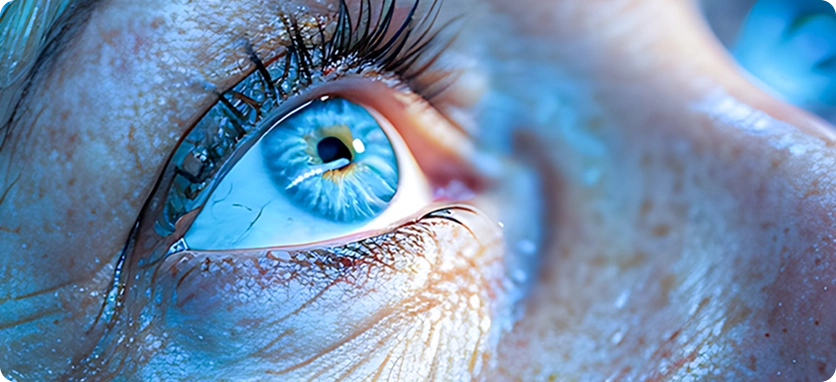
At Batal Specialized Eye Center, our expert medical team conducts comprehensive eye examinations to assess the condition of cataracts. If the cataract is mild and not affecting vision, the doctor may recommend monitoring the condition without immediate surgery. However, once cataracts begin to interfere with daily vision, advanced diagnostic tests and surgical solutions are considered.
Before confirming a cataract diagnosis, our specialists perform a series of precise tests to rule out other eye conditions. These include:
IOL Biometry to measure intraocular lens power
Specular Microscopy to assess corneal health
Visual Field Testing to evaluate retinal function
Ultrasound Scanning in advanced cases where cataracts prevent clear retinal imaging
Clouding of the natural clear lens blocks light from reaching the retina, causing vision to become increasingly blurred with age. If left untreated, this can lead to severe vision impairment or even complete vision loss. Cataracts cannot be treated with medication or corrected by glasses alone—surgical removal is the only effective solution.
Cataract Surgery
During cataract surgery, the surgeon removes the clouded natural lens and replaces it with a clear artificial lens through a very small incision—usually less than 2 mm, even smaller than those used in LASIK or PRK procedures. Your eye will be numbed with drops or injections, and although you remain awake, you will not feel any pain during the procedure.
You may be asked to stop eating for up to six hours before surgery and to pause certain medications to reduce the risk of bleeding.
The procedure is performed using advanced imaging technology, including cameras, ultrasound, and scanning devices, to map the eye and collect precise measurements of the lens. These details are sent to a computer system that programs the laser to create highly accurate surgical incisions.
In most cases, patients can go home the same day. A protective eye dressing will be applied, and you will be asked to rest for about 30 minutes before leaving.
Surgical Options for Cataract Treatment
Intraocular Lens (IOL)
While all intraocular lenses are designed to restore clear vision after cataract surgery, several IOL options are available today, allowing each patient to choose what best suits their visual needs:
Standard Monofocal IOLs
These lenses are designed to correct vision at a single focal distance. If both eyes are corrected for distance vision, reading glasses will usually be needed. Some patients choose to have one eye corrected for distance and the other for near vision.
Premium IOLs
Premium intraocular lenses include multifocal and toric lenses. The decision to use these lenses is made on an individual basis, depending on the patient’s lifestyle and visual expectations.
Presbyopia-Correcting IOLs
These lenses are designed to improve near vision and reduce dependence on reading glasses.
Toric IOLs for Astigmatism
Toric lenses are used for patients with astigmatism, a condition caused by irregular curvature of the cornea. These lenses are specially designed to correct both distance vision and astigmatism.
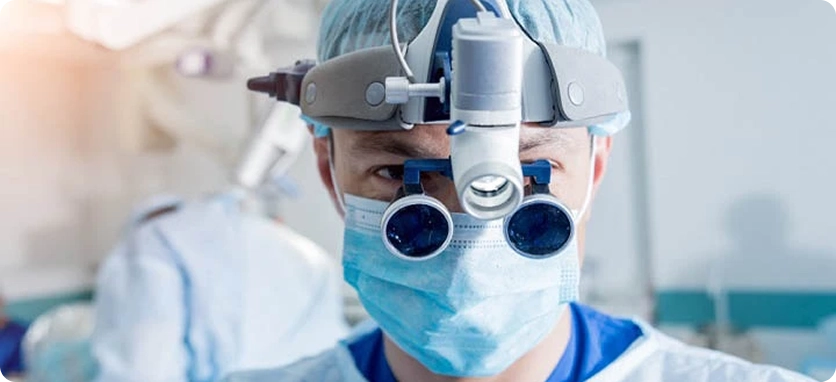
Femtosecond Laser
The femtosecond laser is an advanced option available to surgeons during cataract surgery. It is an FDA-approved, computer-guided laser that assists in performing key steps of cataract removal with high precision. It can also be used in procedures designed to correct astigmatism.
At Batal Specialized Medical Center, your ophthalmologist will perform comprehensive evaluations, including measuring intraocular pressure, examining the optic nerve, and conducting OCT visual field testing to assess any optic nerve damage. Corneal examination is also performed, and in some cases, fundus examination and optical imaging are used to obtain detailed, color images of the optic nerve to evaluate its condition. Depending on your eye health, your doctor may recommend some or all of these tests.
Patients are advised to undergo a complete retinal examination at least once every two years, especially those at higher risk. With a specialized team in the treatment of both glaucoma and cataract, supported by the latest diagnostic and surgical technologies, we are fully equipped to detect conditions at early stages and provide comprehensive, precise treatment.
To learn more about cataract and glaucoma treatment and surgery, please contact us using the numbers provided.
What Are the Risks of Cataract Surgery?
Although cataract surgery is generally safe, like any surgical procedure, it carries some risks of complications. These may include:
Eye Infection
Bleeding in the Eye
Persistent Swelling in the Front of the Eye or Inside the Eye
Retinal Swelling (Macular Edema)
Retinal Detachment (when the retina separates from the back of the eye)
Blurred or Distorted Vision
Vision Loss
Damage to Other Parts of the Eye
Glaucoma (managed with eye drops)
Eye Pain
Sensitivity to Light or Allergic Reaction
Cataract surgery does not restore vision lost due to other eye conditions such as macular degeneration, glaucoma, or diabetic retinopathy.
Cataract Surgery Costs
Cataract surgery costs are generally covered by insurance providers. We recommend speaking with your ophthalmologist early when considering cataract surgery to understand your coverage and available options.
Book an Appointment or Medical Consultation
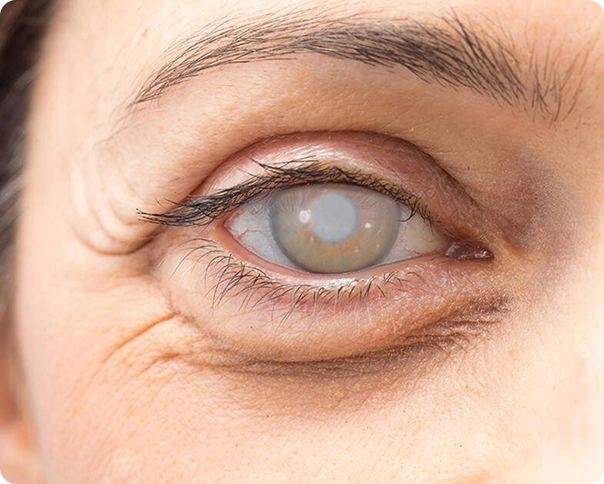
Signs You May Need Cataract Surgery
The risk of developing cataracts increases with age and usually worsens gradually over time. Cataracts can affect vision in several ways, including:
Blurred or cloudy vision
Poor night vision
Seeing halos around lights
Double vision
Increased sensitivity to glare and bright lights
Faded or dull colors
Recovery & Diagnosis After Cataract Surgery
Most people experience noticeable improvement in vision after cataract surgery. The procedure is safe, effective, and has the ability to restore vision close to its clarity before cataracts developed. It is a quick procedure and does not require an overnight stay.If you are experiencing reduced vision due to cataracts, we recommend visiting Batal Specialist Medical Center in Jeddah to determine whether you are a suitable candidate for surgery and to receive a comprehensive eye evaluation.
How Long Does Cataract Surgery Take?
Cataract surgery is a quick procedure. From start to finish, it usually takes only 20 to 30 minutes.
Is Cataract Surgery Painful?
Although you will likely be awake during the procedure, cataract surgery is generally not painful as it is performed under local anesthesia. You may feel mild discomfort, but severe pain is uncommon.
Post-Operative Care After Cataract Surgery at Batal Specialist Medical Center
In most cases, patients notice significant improvement within the first few days, although full recovery may take up to one month. The Eye Center at Batal Specialized Medical Center will prescribe special eye drops to relieve discomfort and prevent infection. You may also be advised to wear a protective eye shield while sleeping.
During the recovery period, it is important to wear sunglasses when outdoors to protect your eyes from sunlight. Avoid touching your eyes or allowing any foreign substances to enter them.
Important Tips
Do not drive immediately after surgery.
Try to sleep on your back or on the opposite side of the operated eye to avoid direct pressure that could affect the lens.
Avoid strenuous activities in the days following surgery.
Additional Restrictions After Cataract Surgery
To protect your eye and ensure proper healing after surgery, it is recommended to avoid:
Getting water or soap into the eye
Touching or rubbing the eye
Swimming
Using mascara for one to two weeks
Applying face creams near the eye area
Exposure to dust and dirty environments
Cataract surgery is one of the most common and safest surgical procedures performed today. It is a quick procedure that does not require hospital admission, and it is often covered by insurance providers. We recommend visiting Batal Specialized Eye Center for a comprehensive eye examination and to receive the most advanced and effective treatment.
Best Cataract Doctors at Batal Specialist Medical Center
Retina Surgeon, Diabetic Retinopathy Specialist & Cataract Surgeon (Laser Cataract Removal)
Dr. Wadah Jalabi is one of the leading names in ophthalmology and retinal surgery, and is considered among the top retina specialists in Jeddah. He has over 30 years of professional experience in diagnosing and treating retinal diseases.
Since 1992, Dr. Jalabi has successfully performed more than 30,000 retinal surgeries, reflecting his extensive expertise, high precision, and advanced surgical skills in handling complex and sensitive cases.
87 Reviews

Best Cataract Doctors at Batal Specialist Medical Center
Batal Specialist Medical Center
Get Comprehensive Medical Care



Installments available up to 100% via Tamara & Tabby & Amwal